
A patio is only as good as what's under it.
Six lines. All of them start underground.
Paver Patios
Cut, set, and compacted on a base that holds. Edge-restrained so the field doesn't creep.
Edge-restrainedFlagstone
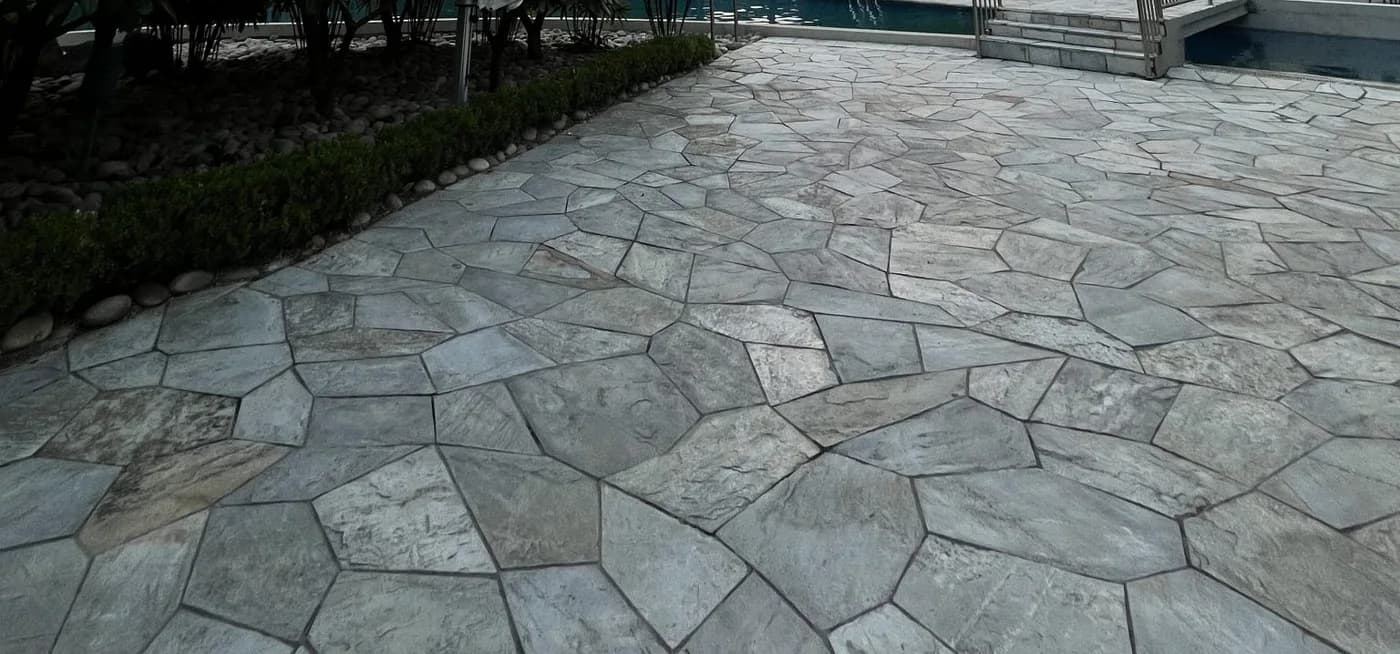
Dry-laid or mortared. Natural stone, tight joints, a level walking surface.
Dry-laid or mortaredConcrete Flatwork
Poured, jointed, and finished. Control joints put where the crack wants to go.
Jointed on purposeRetaining & Seat Walls
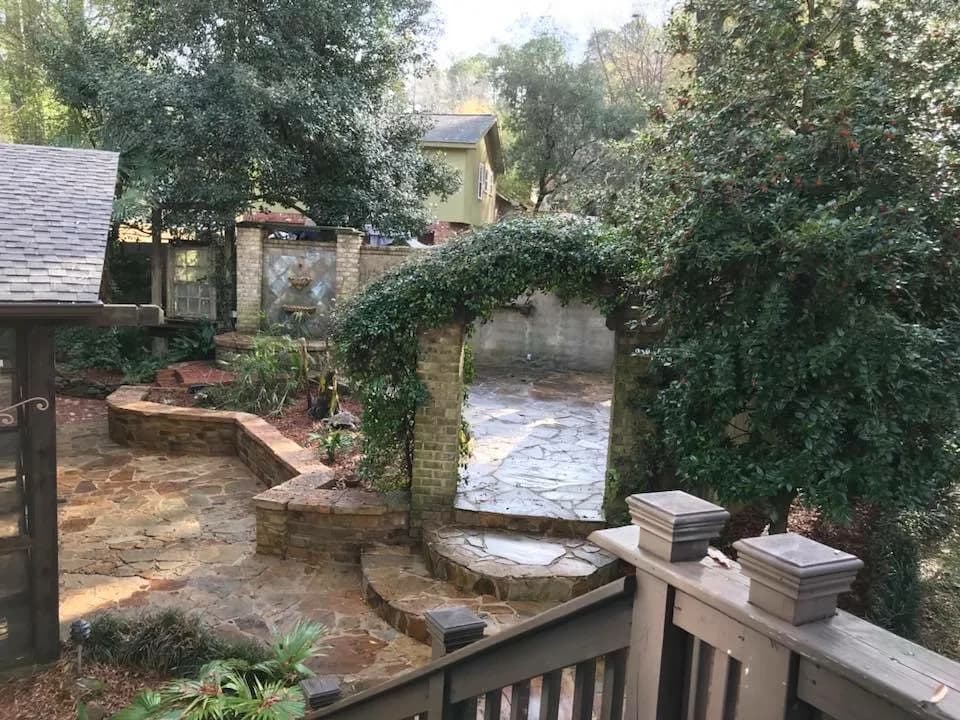
Drained behind, or it fails. Built to hold the grade and take a seat.
Drained behindFire Features
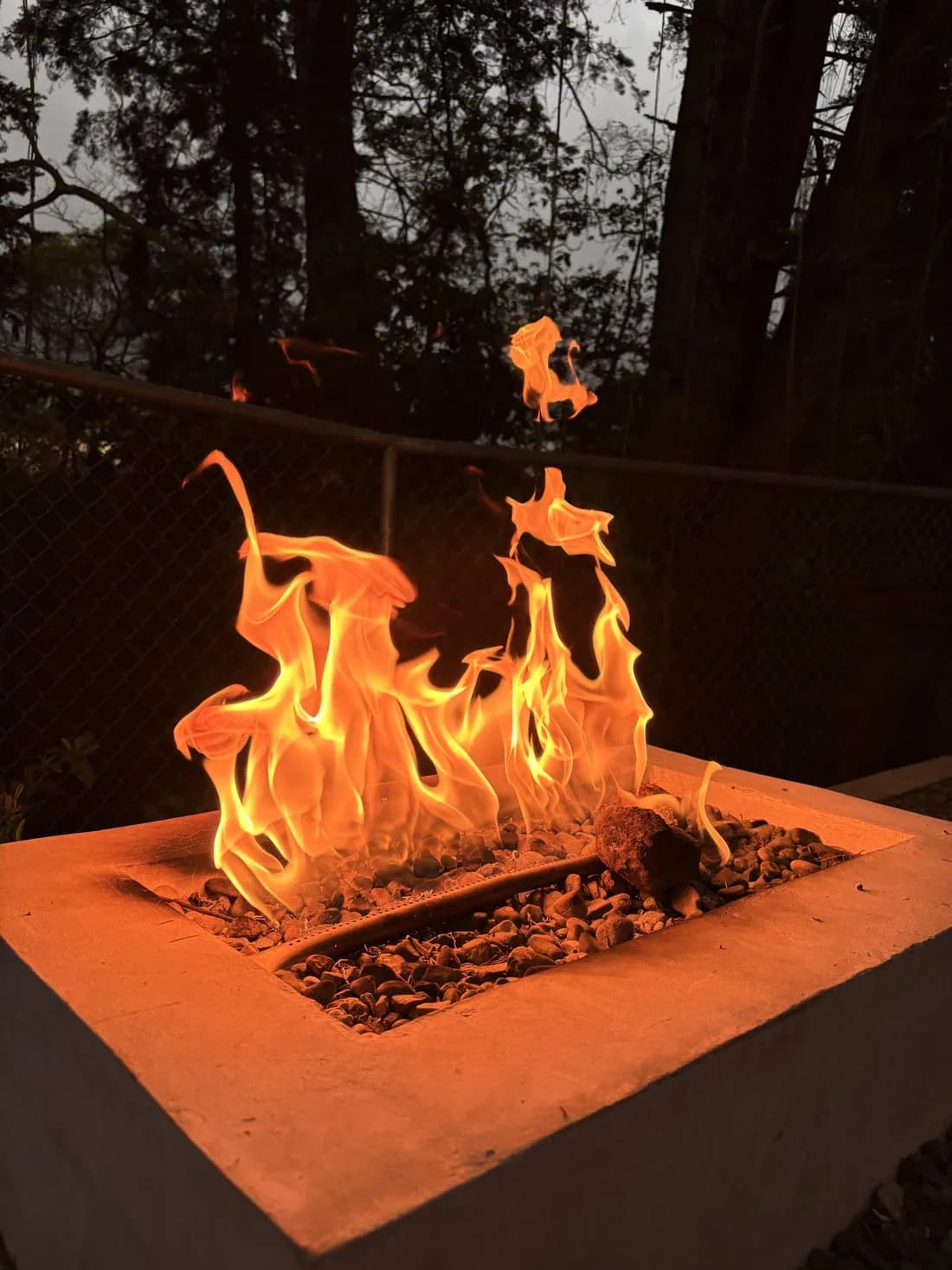
Fire pits and fireplaces, built to code and to the wind.
Built to codeWalkways & Steps
Consistent rise, proper slope, no ankle-breakers.
Consistent riseThe part you'll never see is the part that fails.
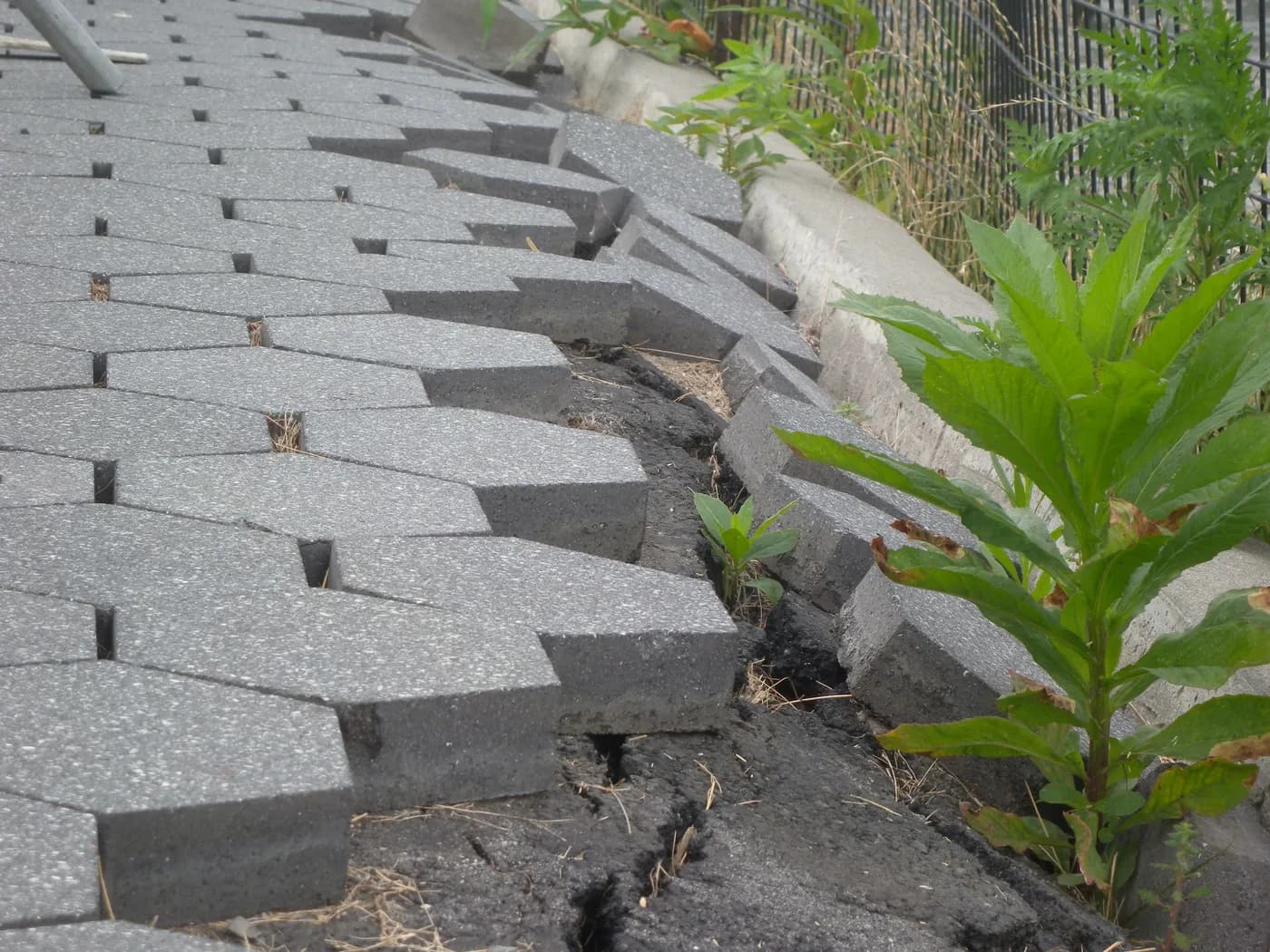
Colorado swings above and below freezing all winter — dozens of cycles a season, often in the same week. Water trapped in a poorly built base freezes, expands, and pushes the surface up. Then it thaws and the surface drops back down, but not evenly. That's heaving. That's settling. That's a patio with a low spot two years in and joints you can put a boot in.
None of it is a stone problem. It's a base problem. The finish material almost never fails first — the base under it does. So that's where the work goes.
- 01
Excavate to depth
Not a skim of the sod. We dig out the soft stuff and get down to a subgrade that will actually carry the load — deeper for a driveway than a sitting patio, deeper in clay than in sand.
- 02
Road base, compacted in lifts
Class 6 road base goes in a few inches at a time and gets run with a plate compactor between every layer. Dump it all in at once and only the top compacts — the rest settles later, under your patio.
- 03
Slope so water leaves
The finished surface pitches away from the house — roughly a quarter-inch of fall per foot. Water that can't get out sits in the base, freezes, and lifts the field.
- 04
Bedding, then edge restraint
A screeded bedding layer sets the pavers true, and a restraint locks the perimeter. Without it the outside course walks outward every season and the joints open up behind it.
Ask any patio contractor what their base spec is. If they can't tell you the depth, the material, and how many lifts — you have your answer.
Get a Free EstimateWhat “built right” actually means.
Base dug to depth, compacted in lifts
Most patio failures are base failures. We compact in layers, not all at once.
Slope away from the house
Water goes where you send it, or it goes into your foundation.
Built for freeze-thaw
Colorado cycles above and below freezing all winter. The base has to drain, or it heaves.
Edge restraint, every time
Without it the field spreads and the joints open. It's the cheapest part, and the one people skip.
Four steps. No surprises.
Walk the Space
We come out, look at the grade, the drainage, and where the water already goes. That decides more than the material does.
Design & Bid
Layout, material, and a real number — with the base spec written into it, not left vague.
Excavate & Base
Dig to depth, haul off the spoils, and build the base up in compacted lifts. This is the part that takes the time.
Set, Compact, Walk-Through
Stone goes down, joints get filled, edges get restrained. Then we walk it with you before we pull off site.
Building patios on the Front Range.
Denver metro, the foothills, and the south suburbs. Same freeze-thaw, same clay, same base spec — wherever you are on the Front Range, we can get to you.